The Human Radar System: Understanding Neuroception, Gut Instincts, and the Hidden Signals That Shape Our Lives
By: Nichole Oliver, LPC, NCC, DAAETS
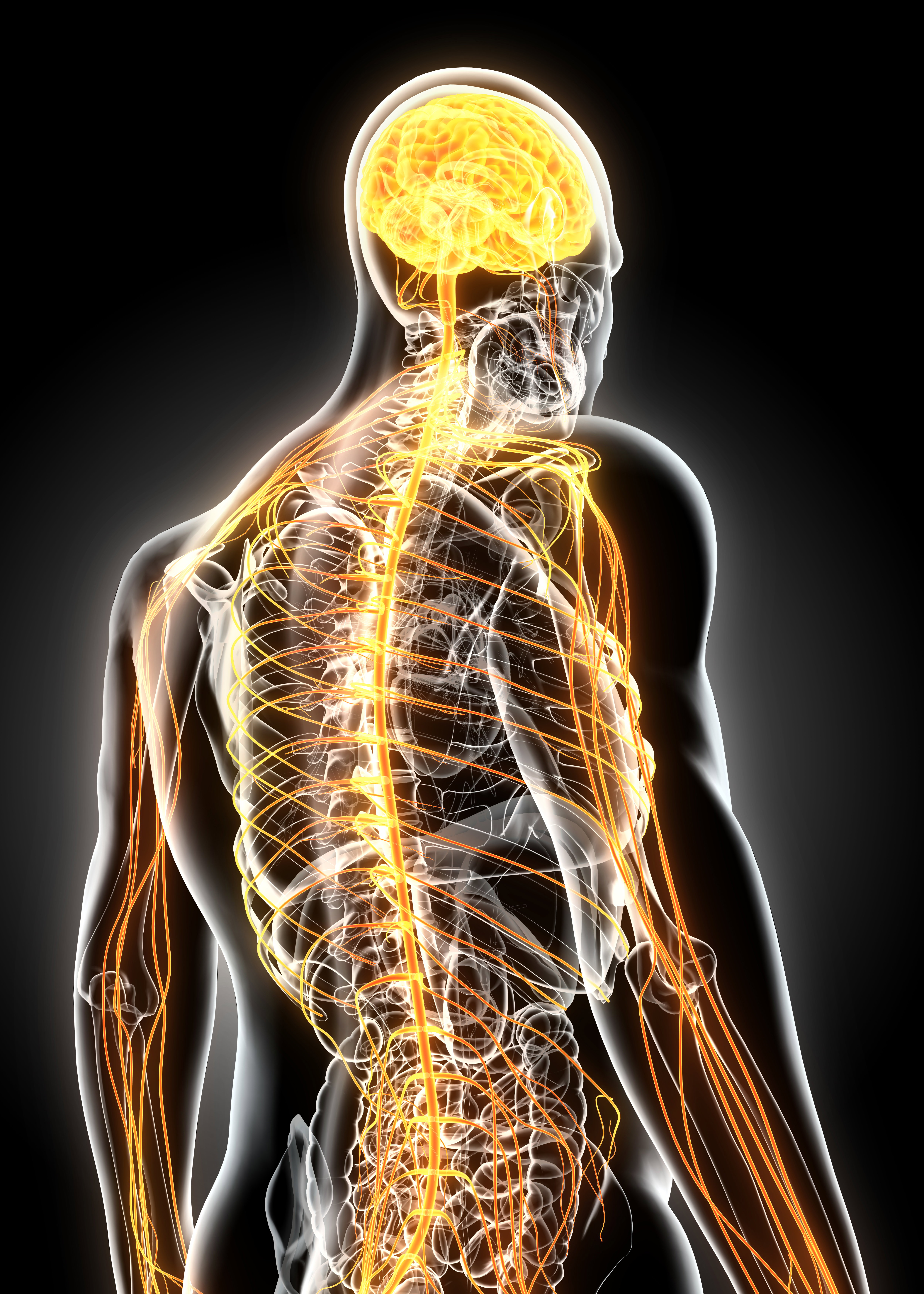
Have you ever walked into a room and immediately felt that something was "off"?Or met someone and instantly felt safe, comfortable, and understood? Maybe you've ignored your gut instinct before and later realized it was trying to tell you something important. Most people assume these experiences are intuition, coincidence, or simply "vibes."Neuroscience tells us something different. Your nervous system is constantly gathering information from both inside and outside your body, often long before your conscious mind becomes aware of it. In many ways, we all carry a built-in radar system.
Your Nervous System Is Always Scanning
According to Polyvagal Theory, our nervous system is continuously asking one primary question: "Am I safe?"Before we consciously think about a situation, our nervous system has already begun collecting information through a process called neuroception. Coined by Dr. Stephen Porges, neuroception refers to the subconscious detection of safety, danger, or life threat. Unlike perception, which involves conscious awareness, neuroception happens automatically. Your nervous system notices:
- Facial expressions
- Tone of voice
- Body posture
- Eye contact
- Physical distance
- Energy shifts
- Environmental cues
- Past experiences and memories
Often, your body knows before your mind does.
The Many Ways We Gather Information
Think of awareness as having multiple channels of information.
Interoception: Looking Within
Interoception is your ability to sense what's happening inside your body. Examples include:
- Hunger
- Thirst
- Heart rate
- Muscle tension
- Butterflies in your stomach
- Anxiety
- Calmness
- Emotional states
Interoception helps us recognize how we feel internally. Many individuals who have experienced trauma learned to disconnect from these signals because awareness once felt overwhelming or unsafe. Part of healing is learning to listen again.
Exteroception: Looking Outside
Exteroception involves gathering information from the external world through the five senses. What do you see?Hear?Smell?Taste?Feel?Exteroception helps us orient to our environment and recognize what is happening around us.
Proprioception: Knowing Where You Are
Proprioception is your body's internal GPS.It tells you:
- Where your body is in space
- How much force to use
- Whether you are balanced
- How you move through the environment
This system helps us feel grounded and connected to our physical presence.
Nociception: Detecting Potential Harm
Nociception is the body's danger detection system for physical injury and pain. It helps protect us from harm and alerts us when something requires attention.
Social Perception
Humans also possess an extraordinary ability to detect emotional and relational information. This is where many people describe having "gut instincts," "intuition," or "spidey senses."What we're often noticing are subtle patterns our nervous system has learned over a lifetime.
The Gut Feeling Is Real
Scientists now refer to the gut as the "second brain."The gut contains millions of neurons and communicates constantly with the brain through the vagus nerve. This communication system is often called the gut-brain axis. Your digestive system processes far more than food. It responds to stress, emotions, relationships, and perceived safety. Many people notice:
- A knot in their stomach
- Butterflies
- Nausea
- Tightness
- Loss of appetite
before they can articulate what is wrong. Your gut is not thinking. It is sensing. Sometimes what we call intuition is actually information moving from the body to the brain.
The Head, Heart, and Gut Connection (mBraining.com)
At Integrative NeuroCounseling, we often discuss the importance of aligning the head, heart, and gut.
The Head
Represents thinking, reasoning, planning, and conscious awareness.
The Heart
Represents values, connection, meaning, compassion, and authenticity.
The Gut
Represents instinct, self-preservation, survival, and body-based knowing. When these systems are aligned, people often describe feeling centered, confident, and clear. When they conflict, we experience internal tension. This is often why someone can logically know something is true while emotionally or physically feeling something entirely different.
Attunement: The Foundation of Human Connection
Attunement is the ability to accurately sense and respond to another person's emotional experience. Healthy attunement says:"I see you.""I hear you.""I understand what you're feeling."As children, our nervous systems develop through repeated experiences of attunement with caregivers. These early interactions help shape:
- Attachment styles
- Emotional regulation
- Self-worth
- Trust
- Relationship patterns
When attunement is inconsistent, critical, neglectful, or unsafe, the nervous system adapts. These adaptations become what many people later recognize as attachment wounds or survival strategies.
Dual Attunement: Understanding Yourself While Understanding Others
One of the most important skills we can develop is dual attunement. Dual attunement means maintaining awareness of: What's happening inside of me
while simultaneously noticing
What's happening inside of you? Many people become overly focused on others and lose awareness of themselves. Others become focused only on themselves and lose awareness of others. Healthy relationships require both. The ability to notice:
- My thoughts
- My emotions
- My body sensations
- My triggers
while also recognizing:
- Your emotions
- Your perspective
- Your nervous system state
- Your needs
creates deeper connection and healthier boundaries.
Why We Read People So Quickly
Many individuals—particularly those who grew up in unpredictable environments—develop remarkable sensitivity to emotional cues. As children, they learned to monitor:
- Facial expressions
- Mood shifts
- Tone changes
- Conflict
- Emotional availability
These skills often become highly refined. As adults, this may feel like intuition or hyperawareness. Sometimes it is. Sometimes it is trauma adaptation. The goal isn't to eliminate these abilities. The goal is learning when they are accurately detecting the present reality and when they are responding to old programming.
Updating the Programming
Our nervous systems are shaped by:
- Family systems
- Attachment experiences
- Culture
- Religion
- Rewards and punishments
- Trauma
- Social expectations
- Life experiences
Over time, these experiences become core beliefs and automatic patterns. Some remain helpful. Others become outdated. Healing involves learning the difference between: Who I truly am
and
I learned I needed to adapt to survive.
The Power of Co-Regulation
Humans are biologically wired for connection. Before we learn to regulate ourselves, we learn through co-regulation. A calm nervous system can influence another nervous system. This is why:
- A trusted friend helps us feel grounded
- A loving partner helps us feel safe
- A therapist can help us regulate difficult emotions
- A compassionate leader can calm an entire team
The nervous system is contagious. So is safety.
Bringing Awareness to the Human Experience
Self-awareness is not simply understanding your thoughts. It is learning to listen to the countless streams of information flowing through your nervous system every moment. The body is speaking. The nervous system is listening. The environment is providing feedback. Relationships are providing data. The question is not whether these signals exist. The question is whether we have learned how to notice them. When we develop awareness of our internal world while remaining connected to the world around us, we become more grounded, more authentic, and more capable of meaningful connection. Perhaps that is what intuition really is. Not magic. Not mind-reading. But a highly intelligent nervous system is doing exactly what it was designed to do...